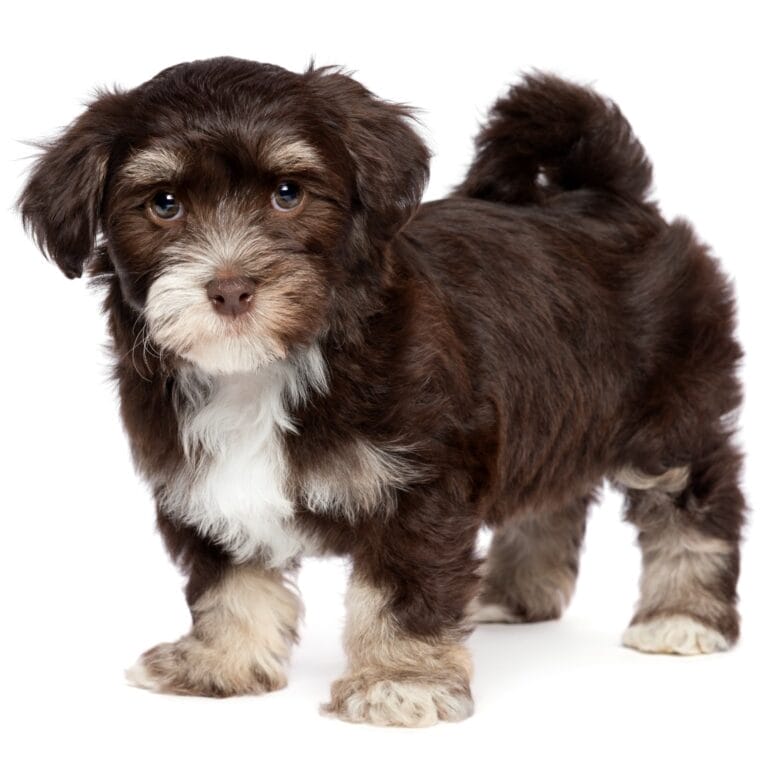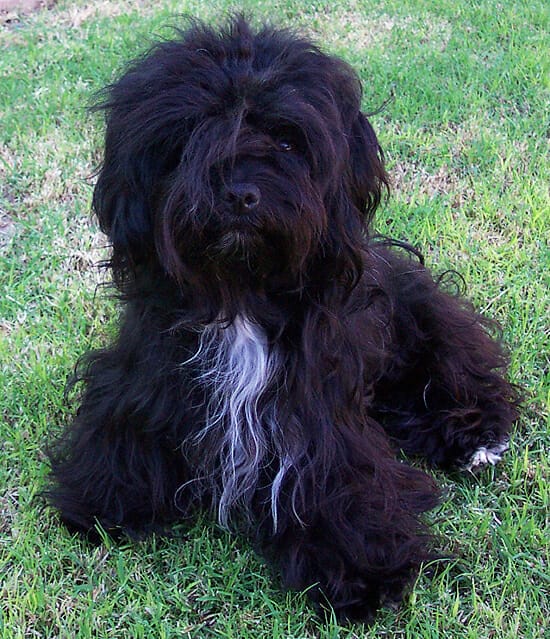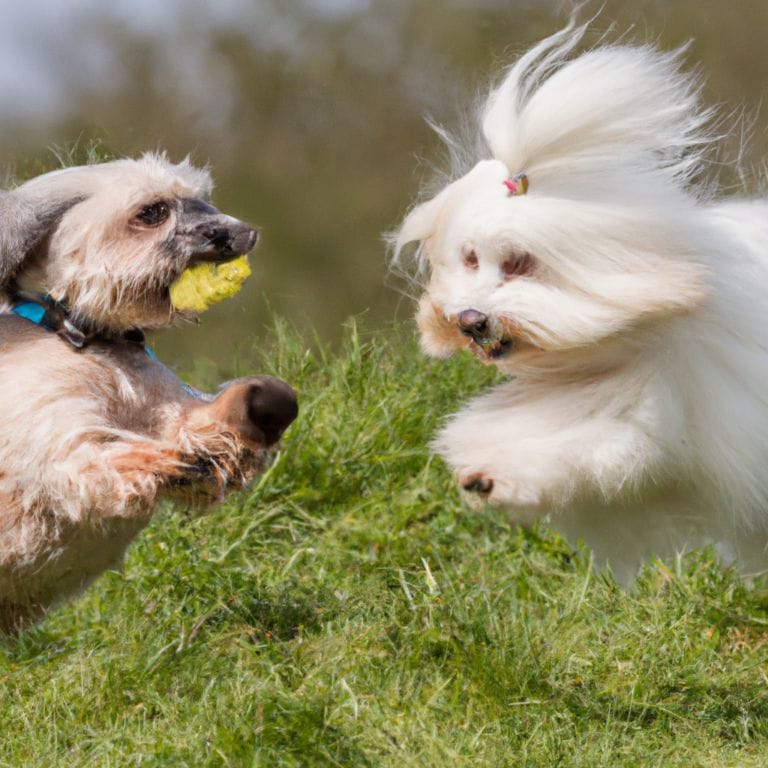
The first thing most people notice about a Havanese is the coat. The second is that the dog has already climbed into their lap. This little Cuban companion was bred for one job, keeping people company, and almost everything about its personality traces back to that. Below are the traits you can realistically expect, the good and the not-so-easy, so you know what living with one is actually like.
Quick Answer
The key Havanese traits:
- Affectionate and people-focused. Expect a shadow that follows you from room to room.
- Smart, eager to please and quick to learn, with a mild stubborn streak.
- Friendly with strangers, kids and other pets. Not a guard dog.
- Moderate energy: playful bursts, then happy to nap.
- Watch for separation anxiety, alert barking and slow house training.
- Low-shedding coat that needs regular brushing to prevent mats.
Havanese at a Glance
| Trait | What to Expect |
|---|---|
| Size | About 8.5 to 11.5 inches tall at the shoulder |
| Weight | Usually 7 to 13 pounds |
| Lifespan | Often 14 to 16 years |
| Coat | Long, soft and silky; sheds very little; many colors |
| Energy | Moderate: short walks and play sessions are usually enough |
| Barking | Alert barker; trainable |
| With kids and pets | Usually very good, with supervision around toddlers |
| Time alone | Does best with company; long days alone can lead to anxiety |
12 Key Havanese Traits
1. A Real “Velcro Dog”
If you value privacy in the bathroom, a Havanese will test that. Most follow their people from room to room, sit as close as possible and want to be part of whatever you’re doing. And yes, most love being held. Lap time, cuddles and sleeping pressed against your leg are standard. It’s sweet, but it’s also why the next trait matters.
2. Prone to Separation Anxiety
A dog bred to be with people often doesn’t love being without them. Some Havanese bark, whine, pace, chew or have accidents when left alone too long. The breed usually does best in homes where someone is around a good part of the day.
You can head a lot of this off early. Practice short absences, keep departures and greetings low-key, and give your dog a safe spot to relax, such as a crate introduced the positive way. Our Havanese crate training guide walks through it.
3. Smart and Quick to Learn
Havanese pick up routines fast, often faster than owners expect from a toy breed. Many do well at tricks, obedience, agility and even therapy work. They also watch you closely, which is why some owners swear their dog knows they’re leaving before they’ve reached for the keys.
4. Eager to Please, With a Stubborn Streak
Most Havanese want to make you happy and respond well to praise, treats and play. But they also have a selective-hearing mode, especially during adolescence or when training gets boring. Keep sessions short, mix things up and reward generously. Harsh corrections tend to backfire with this breed.
5. Friendly With Strangers
A Havanese will usually bark when someone comes to the door, then try to befriend them. Aggression is uncommon in a well-socialized dog. That makes them great hosts and pretty terrible guard dogs.
6. Good With Kids and Other Pets
Gentle, playful and tolerant, most Havanese fit nicely into family life and get along with other dogs and even cats. The main caution is size. A small dog can be hurt by rough handling or a fall, so toddlers need supervision and older kids should learn to sit down when holding the dog. More on this in what you should know about Havanese and children.

7. Moderate Energy
A Havanese enjoys a walk, a game of fetch or a training session, then is perfectly happy to nap on the couch. They don’t need hours of exercise, which suits busy households and older owners. That said, a bored Havanese will find its own entertainment, and you may not like its choices.
8. Playful Little Clowns
Zoomies, toy tossing, play bows and some very dramatic facial expressions. Many Havanese stay goofy well into adulthood. If you want a dog that makes you laugh every day, this is a strong candidate.
9. Alert Barkers
Doorbells, delivery trucks, a leaf blowing past the window. Many Havanese announce all of it. It’s rarely aggressive, but it can be a problem in apartments. Teaching a “quiet” cue, rewarding calm behavior and giving enough mental exercise usually keeps it manageable. Yelling tends to make it worse, because to your dog it sounds like you’re joining in.
10. Emotionally Sensitive
Havanese pick up on tone of voice, household tension and changes in routine. Owners often say their dog “reads” them. That sensitivity makes them wonderful companions, but it also means calm, consistent handling works far better than raised voices.
11. Slow to House Train
Like many toy breeds, Havanese can take longer to be fully reliable. Small bladders, distractions outdoors and a dislike of bad weather all play a part. Frequent trips out, a steady feeding schedule, close supervision and lots of praise get there. Punishing accidents usually slows things down.
12. A Beautiful Coat That Needs Work
The Havanese coat is soft, silky and sheds very little, which is part of why the breed appeals to people with allergies (see our list of hypoallergenic dogs). The catch is that loose hair gets trapped in the coat and mats if you don’t brush it. Plan on brushing several times a week, or keep a shorter puppy cut. Our guide to grooming a Havanese the right way covers the routine.
Is a Havanese Right for You?
A Havanese is likely a great fit if you:
- Want an affectionate companion that sticks close
- Are home a good part of the day, or can bring the dog along
- Prefer moderate exercise over long runs
- Live in an apartment or smaller home (see our guide to apartment living with a Havanese)
- Don’t mind regular brushing or grooming visits
It may be a harder match if you work very long days away from home, want an independent dog that’s fine on its own, or need a quiet breed for thin walls. Our pros and cons of owning a Havanese goes deeper on the trade-offs.
Every Havanese Is an Individual
These are breed tendencies, not guarantees. Genetics, early socialization, training and the home a dog grows up in all shape its personality. Some Havanese are bold social butterflies, others are mellow and a little reserved. Meeting the puppy’s parents is one of the best clues to what your dog will be like as an adult.
Frequently Asked Questions
What is the personality of a Havanese?
Affectionate, playful, smart and very people-oriented. Most are friendly with everyone they meet and want to be close to their family as much as possible.
What are the downsides of a Havanese?
The most common challenges are separation anxiety, alert barking, slow house training, a coat that mats without regular brushing, and a tendency to be clingy.
Do Havanese like to be held?
Most do. They were bred as lap dogs and usually enjoy cuddling and being carried. It still helps to teach some independence so your dog is comfortable on its own too.
Are Havanese good for first-time owners?
Often, yes. They’re trainable, affectionate and adaptable. First-time owners just need to be ready for the grooming and the amount of company this breed wants.
Can a Havanese be left alone during the day?
Short periods, yes, especially if you build up to it gradually. Long, regular stretches alone can lead to anxiety and barking, so a dog walker, daycare or a midday visit can help.
The Bottom Line
The Havanese is a happy, clever, people-loving little dog that wants to be part of everything you do. If you can give it company, gentle training and a regular brush, you’ll get a funny, devoted companion for a long time. If you’re out all day or want a low-maintenance coat, it’s worth thinking twice.
- About the Author
- Latest Posts

Sara is a passionate writer and an avid lover of Havanese dogs. With several years of experience in dog training, breeding, and care, she has developed a deep understanding and admiration for the Havanese breed. Sara’s mission is to provide valuable insights, resources, and tips to help Havanese dog owners provide the best possible care and nurturing for their beloved pets.