
A Havanese who launches into greetings can turn a friendly hello into a jumble of paws, hair, and apologies. The fix is not to scold your dog for being excited. It’s to teach a clear alternative: four paws on the floor earns attention; jumping makes the greeting pause.
Here are the main takeaways for training a Havanese to stop jumping on people.
- Teach 'Four Paws on the Floor' by rewarding your Havanese with treats when all paws are on the ground during greetings.
- Use a leash or gate to help maintain control during training, especially in busy environments.
- Ensure that all guests follow the same rules for greeting to avoid mixed signals for your dog.
- Be patient and practice consistently; small improvements in your dog's behavior should be rewarded.

Havanese are companion dogs and can be very tuned in to what their people do. That makes them quick learners, including when a behavior gets attention by accident. The available workspace research doesn’t directly evaluate jumping, so the training steps below apply the same reward-based principles it discusses for other behaviors: reinforce the behavior you want, and avoid making unwanted behavior pay off.
Why Does My Havanese Jump on People?
Jumping often happens because a dog is excited to greet someone. Your Havanese may be trying to get close to a face, start play, or prompt a reaction. Even “no,” pushing the dog down, or laughing can become part of the greeting if it keeps the interaction going.
Dogs also learn from what happens next. If jumping reliably brings petting, eye contact, talking, or a person backing away in an exciting way, the behavior may continue. That’s an application of a general learning principle described in the workspace research: dogs notice which actions reliably produce attention or other outcomes.
The goal isn’t to stop your Havanese from greeting people. It’s to make calm greetings more rewarding than jumping.

Teach “Four Paws on the Floor”
Start practicing when your Havanese is calm, not in the middle of a wildly exciting arrival.
- Stand facing your dog with a few small treats ready.
- Wait for all four paws to be on the floor.
- Mark that moment with a word such as “yes,” then give a treat.
- After a few repetitions, add a familiar greeting cue, such as “say hello.”
- Reward your dog for staying grounded while you offer a brief hello.
Keep the session short. If your dog jumps, quietly pause the greeting: turn slightly away, move out of reach, or take a step back. Once your dog has four paws on the floor, resume the greeting and reward that choice.
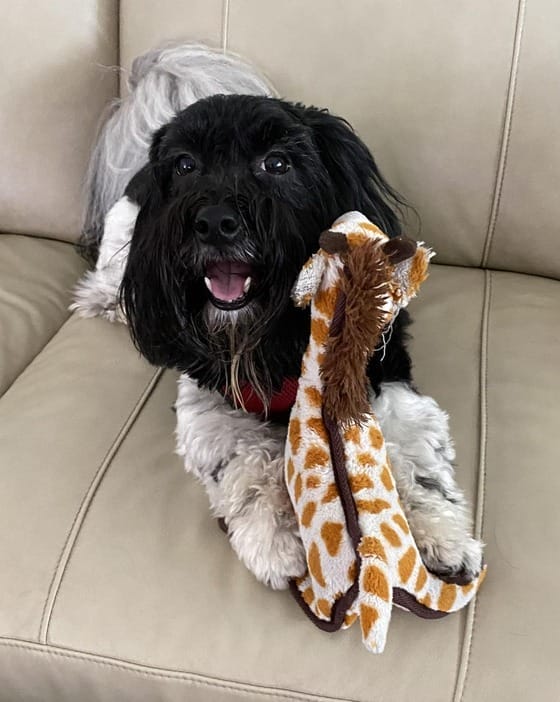
The timing matters. If you wait until after a long bout of jumping to offer a treat, you may accidentally teach your dog that jumping eventually produces a reward. Look for the first calm moment and pay it promptly. The workspace’s related training material likewise recommends reinforcing useful behavior rather than waiting until after a problem behavior has happened. [S11]
Make Greetings Easier to Get Right
Practice with one calm friend before asking your Havanese to manage a busy doorway or a crowd of visitors. Keep your dog on a leash or behind a gate if needed, so you can prevent a full-speed greeting while you teach the new routine.
Ask your helper to:
- Approach only when your dog is calm enough to learn.
- Avoid reaching over the dog or making a fuss if the dog jumps.
- Pause or step away if the paws leave the floor.
- Resume the greeting when your dog settles.
- Keep the first few greetings brief.
A leash is there to help manage distance, not to jerk your Havanese down. If the dog is too excited to respond, create more space, let the excitement settle, and try again at an easier level.
If your Havanese can sit comfortably, you can ask for a sit before a greeting. But don’t repeat the cue while your dog is bouncing and unable to focus. Help the dog succeed by stepping back, reducing the excitement, and rewarding a simpler choice, such as standing calmly.
Give Guests a Simple Plan
Consistency matters. If one person pets your Havanese for jumping while another turns away, the dog receives mixed messages. Tell visitors what to do before they enter:
“Please wait to greet her until all four paws are down. If she jumps, just pause and turn away. I’ll let you know when she’s ready.”
For guests who are uncomfortable around dogs, use a gate, leash, or quiet room rather than expecting them to help train. Your Havanese can practice greetings with willing, familiar people first.
For arrivals that are especially exciting, set your dog up before the door opens. Have treats ready and keep your Havanese at a manageable distance. You can greet visitors first, then invite your dog closer once the initial commotion has passed.
What Not to Do
Avoid yelling, kneeing, shoving, or repeatedly pushing your dog down. Those reactions can add excitement or attention without teaching what to do instead. Reward-based training is the approach recommended in the available workspace materials for building desired behavior and avoiding pressure that may worsen a difficult moment.
Try not to ask guests to “just let her jump until she gets over it.” Repeatedly allowing the behavior gives your Havanese more chances to practice it and may make greetings harder to manage.
Also avoid expecting instant results. Your dog may understand the exercise in the kitchen and still jump when a favorite person arrives. That doesn’t mean training has failed. The real-life greeting is simply more exciting, so it needs easier practice and more repetition.
Be Patient and Keep the Rule Consistent
Practice a few calm greetings at a time, and reward small improvements. Your Havanese might first manage one grounded second, then several seconds, and eventually a whole short greeting. If jumping returns, make the next attempt easier: reduce the excitement, increase distance, or use fewer people.
Everyone in the household should follow the same rule: four paws on the floor keeps the greeting going; jumping pauses it. Havanese can be attentive to their people, and consistency helps make the lesson clear. [S11]
If jumping comes with growling, snapping, intense fear, or difficulty managing visitors safely, ask your veterinarian for guidance and consider working with a qualified reward-based trainer. For ordinary excited greetings, patient practice and predictable responses give your Havanese a clear way to say hello—without putting paws on the guest.
- About the Author
- Latest Posts

Sara is a passionate writer and an avid lover of Havanese dogs. With several years of experience in dog training, breeding, and care, she has developed a deep understanding and admiration for the Havanese breed. Sara’s mission is to provide valuable insights, resources, and tips to help Havanese dog owners provide the best possible care and nurturing for their beloved pets.


